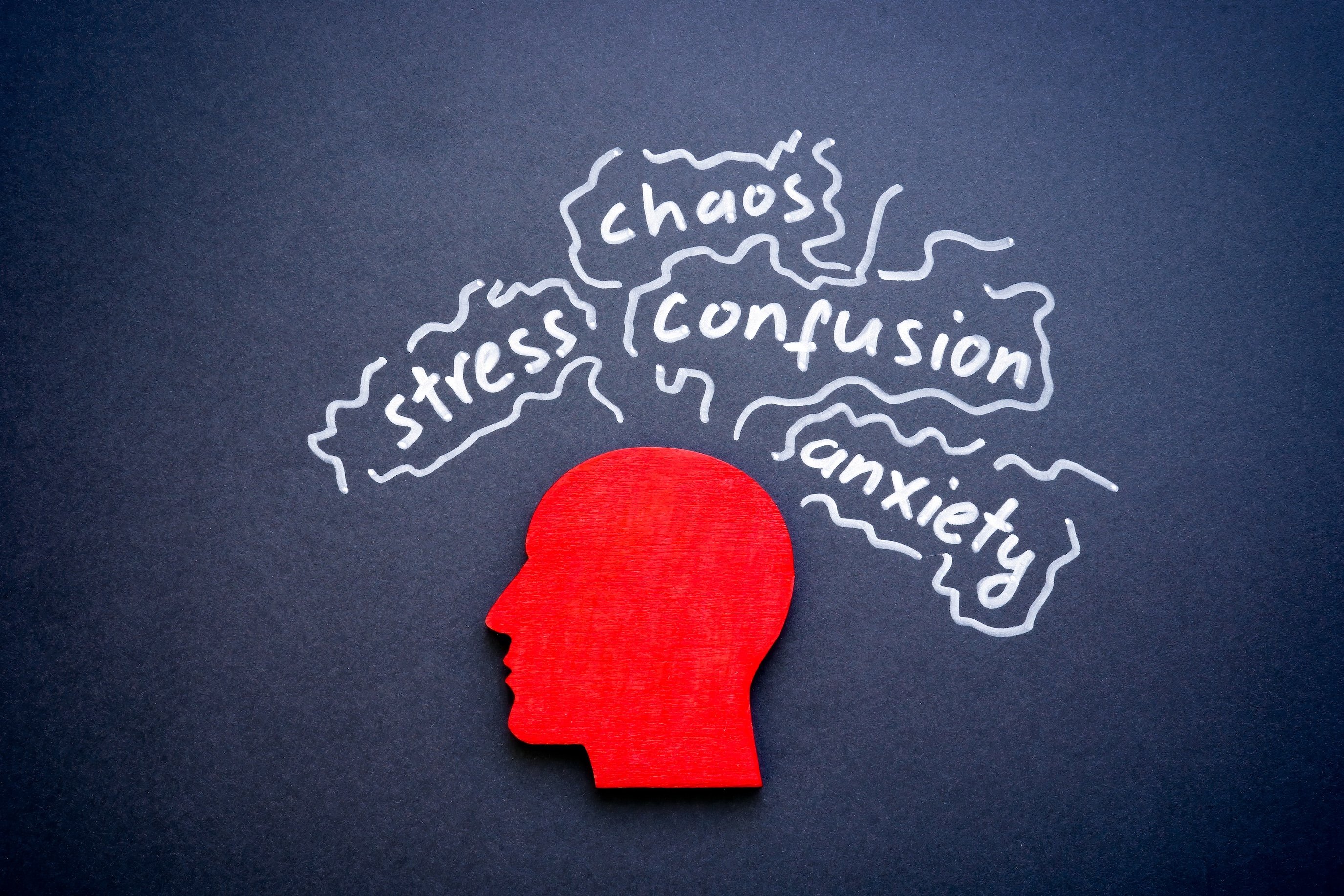
You got the new job. Signed the lease on a new apartment. Left a relationship that wasn’t working. Maybe you moved closer to family, or started a program you’d been putting off for years. On paper, things are moving in the right direction.
So why do you feel worse?
If you’ve been managing depression or anxiety and recently went through a major life change—even a positive one—you might be noticing symptoms you thought you had under control starting to creep back. It’s confusing, and it can feel like you’re failing at something everyone else seems to handle just fine.
There’s a real, well-documented reason this is happening.

Researchers have known for decades that the first episode of major depression is almost always triggered by a significant life stressor—a loss, a move, a major disruption. But here’s what doesn’t get talked about enough: each episode makes the next one easier to trigger.
It’s called the kindling hypothesis, first described by psychiatrist Robert Post in the early 1990s. The basic idea is that depression changes the brain’s stress response over time. After multiple episodes, the neural pathway that leads to depression becomes well-worn. Your brain has learned the route, and it takes less and less stress to send you down it again.
This explains why a life change that wouldn’t have rattled you five years ago can knock you sideways now.

When mental health professionals talk about “protective factors” — the things that keep symptoms manageable — they’re usually referring to consistent sleep, regular routines, social connections, ongoing treatment, and physical activity. Major life changes have a way of disrupting every single one of these at once.
A new job means a new schedule. A move means losing proximity to your therapist, your gym, the neighbor who checked in on you. A divorce reshapes your entire social world. Even a wanted change, like having a baby or starting school, floods your system with unpredictability at a time when your brain is wired to crave the opposite.
Research published in Frontiers in Psychology found that stress, anxiety, and depression feed each other in what the authors called a “double downward spiral.” Stress increases anxiety, anxiety deepens depression, and depression makes everything feel more stressful, which accelerates the whole cycle. Life transitions are exactly the kind of sustained disruption that can set this spiral in motion.
There’s another piece that often gets overlooked: life changes tend to isolate people, and isolation is one of the strongest predictors of worsening depression and anxiety.
A ten-year longitudinal study published in The Lancet Public Health found that social disconnection doesn’t just correlate with depression, it predicts it. And the relationship goes both ways. Feeling isolated increases depressive symptoms, and depressive symptoms make you withdraw further, which increases the feeling of isolation. It becomes its own self-reinforcing loop.
When you’re going through a major transition, your support network often shifts or shrinks. You may not have the energy to build new connections. The people around you might assume you’re doing fine because, after all, you just made a big positive change. Meanwhile, you’re more alone with your symptoms than you’ve been in a long time.
When symptoms return during a life change, the instinct is to panic and assume you’re back at square one. But worsening symptoms during a transition are often more like an adjustment response than a full relapse. Your brain is reacting to a loss of stability, and it’s using the patterns it knows best.
That’s actually useful information. It means the symptoms are telling you something specific: you need more support right now, not less. You need someone in your corner who understands what it’s like to feel the ground shift beneath you when you’re already working hard just to stay steady. This is exactly the gap that peer support is designed to fill.
A peer specialist is someone who has navigated their own mental health or addiction recovery and is trained to support others through theirs. They’re not a therapist and they’re not a friend — they’re something in between that’s often missing from people’s lives, especially during transitions. They meet you where you are, literally and figuratively: at your home, in your community, or by phone. They help you rebuild routines, set goals, stay connected to treatment, and work through the day-to-day challenges that clinical appointments often don’t have time to address.
Most importantly, a peer specialist has been where you are. They know what it feels like to watch progress unravel during a hard stretch and to wonder if it was ever real. They can sit with you in that uncertainty because they’ve sat in it themselves, and they came through the other side.
Peerstar connects people across Pennsylvania with Certified Peer Specialists and Certified Recovery Specialists who provide structured, one-on-one recovery support. Services are covered by Medicaid. Call us at 215-372-8632 or visit peerstarllc.com to get started.

.svg)
.svg)




.png)