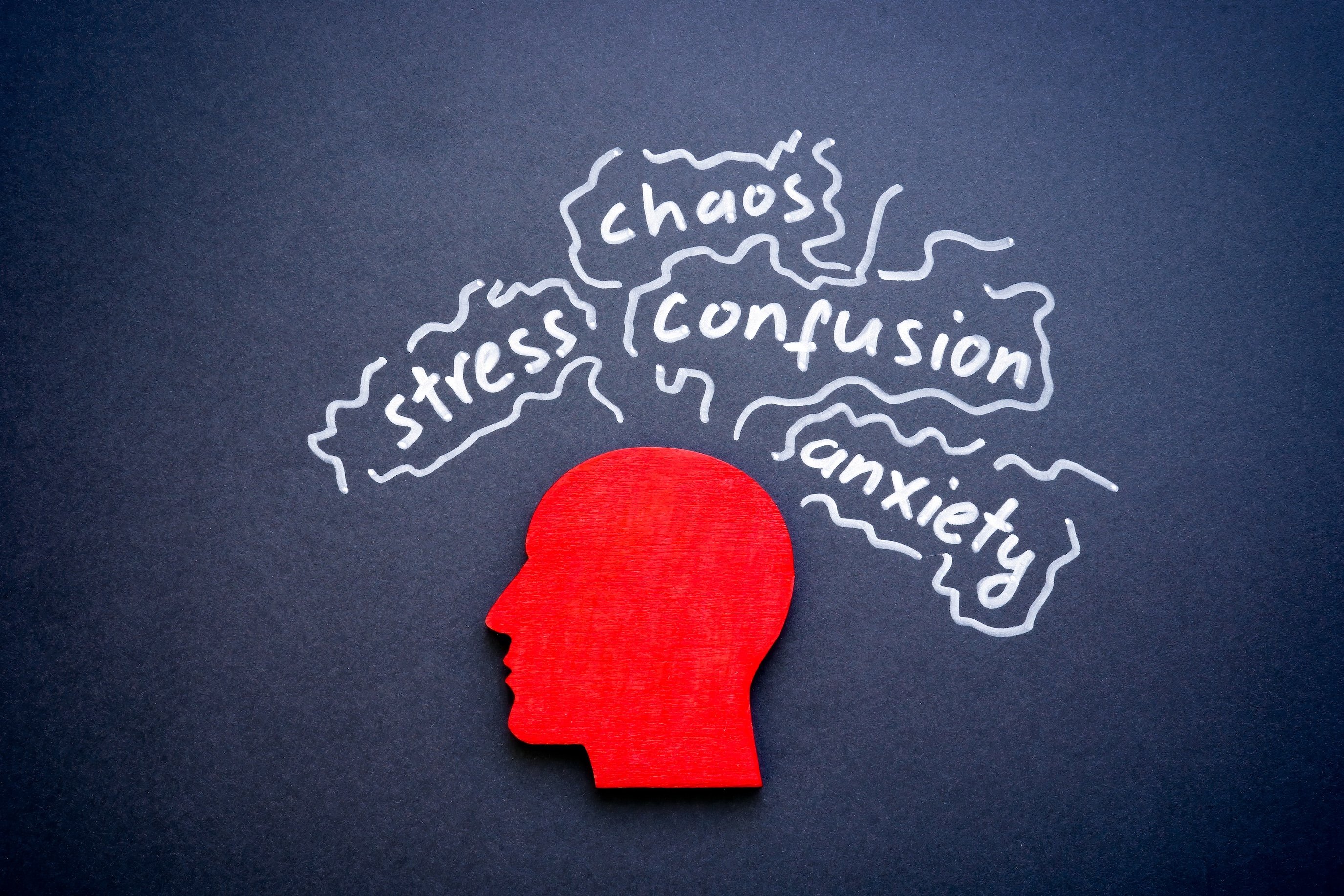
You’ve heard it said — “It’s harder going out than going in.” It didn’t make sense before, but now, you’re starting to feel it for yourself.
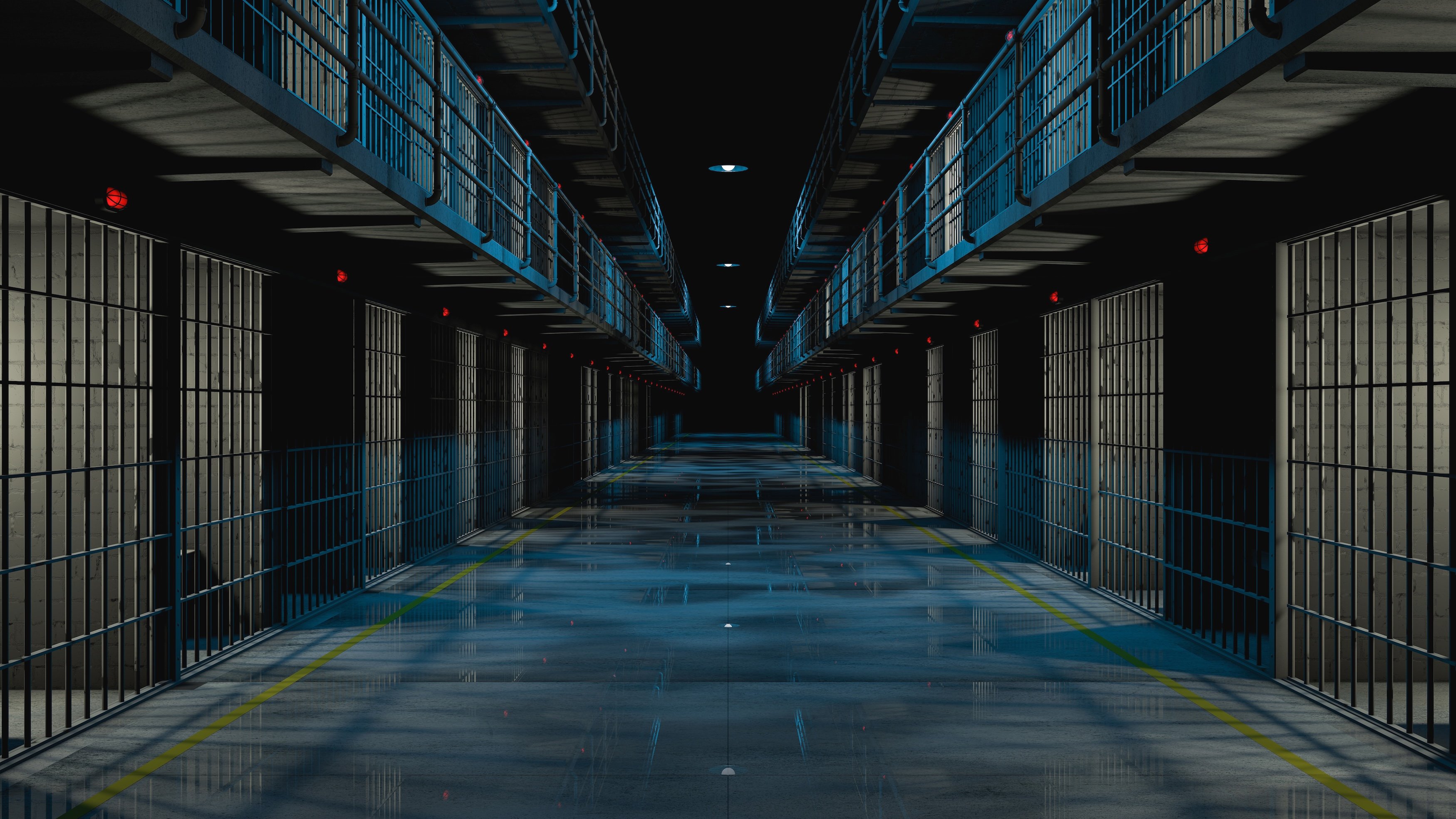
You counted down the days. You imagined the relief of walking out those doors — breathing fresh air, eating real food, seeing your family. Freedom was supposed to feel like the beginning of something better.
So why does it feel worse?
If you've recently come home from prison and you're struggling more than you expected, you're not imagining it. Research shows that the transition out of incarceration is one of the most psychologically dangerous periods a person can face — but there are ways to get through it, and that's what this article is about
.
Walking into a grocery store and feeling your chest tighten. Freezing when someone asks you to make a simple decision. Jumping at the sound of a car door.

These aren't signs of weakness. They're symptoms of something researchers call Post-Incarceration Syndrome, or PICS — a cluster of psychological effects that include depression, anxiety, PTSD, difficulty adjusting to everyday life, and trouble forming or maintaining relationships. A 2013 study published in the International Journal of Law and Psychiatry confirmed that formerly incarcerated people experience a distinct pattern of mental health symptoms that goes beyond standard PTSD, including difficulty trusting people, making decisions, and a deep feeling of not belonging.
An estimated 40% of the roughly 600,000 people released from prison each year will experience PICS — yet the condition still isn't recognized in the Diagnostic and Statistical Manual used to diagnose mental health disorders. Most therapists aren't trained to identify it, and the people living with it often have no idea there's a name for what they're going through.
Here's what most people on the outside don't understand: prison reshapes how your brain works.
Inside, nearly every decision is made for you — when to eat, when to sleep, when to move. According to a report from the U.S. Department of Health and Human Services, this loss of autonomy gradually reshapes how people think and function. Over months and years, your brain adjusts to a world where independent decision-making is discouraged. One reentry expert put it starkly: in prison, you might make 125 choices a day. The average person on the outside makes tens of thousands.
On top of that, prison teaches you to suppress your emotions. Showing vulnerability behind bars can make you a target, so you learn to shut down. Researchers call this "sedative coping." It keeps you safe inside. But when you come home and try to reconnect with family, hold a job, or build a relationship, those survival skills become your biggest obstacle.
Then there's the sensory shock. After years of concrete walls and limited stimulation, the outside world can be physically overwhelming. Loud noises, fast traffic, crowds, bright lights — your nervous system isn't ready for it. Studies show this is among the most commonly reported experiences during reentry, often triggering panic, withdrawal, and isolation.

The psychological toll of reentry isn't just uncomfortable — it can be deadly. A landmark study in the New England Journal of Medicine found that in the first two weeks after release, the risk of fatal drug overdose is 129 times higher for formerly incarcerated people than for the general population.
Why? Reduced drug tolerance plays a role. But stress is the accelerant. When you're battling depression, sensory overload, housing instability, employment rejection, and fractured relationships all at once, the urge to numb the pain can feel impossible to resist.
These statistics are hard to read — but if you're out and you're reading this, you've already made it past the most dangerous window. What matters now is what comes next. And the research is just as clear on this part: people who have consistent, trust-based support during reentry have dramatically better outcomes. Especially when that support comes from someone who's been through it themselves.
People coming home from prison often struggle to ask for help. They've spent years in an environment where vulnerability is dangerous. Traditional therapy can feel disconnecting when your therapist has never sat in a cell or faced a parole check-in. Many formerly incarcerated people report stopping therapy because their provider simply didn't understand the specific trauma of incarceration.
That's where peer support changes the equation.
A peer specialist is someone who has lived through similar experiences — including involvement with the criminal justice system — and has been trained to use that experience to help others. Research published in the journal Incarceration found that a history of incarceration was the single most important characteristic people wanted in a mentor during reentry. They didn't want sympathy. They wanted someone credible.

The outcomes back this up. One study found that participants in PeerStar’s peer support reentry program had a reincarceration rate of 22% at one year — roughly half the national average. A separate cross-site study found that peer support led to a 43% reduction in inpatient psychiatric services and a 30% increase in outpatient care — meaning people weren't just avoiding crisis, they were actively engaging in recovery.
If you're reading this and recognizing yourself — the overwhelm, the anxiety, the feeling that something is wrong with you — know this: nothing is wrong with you. Your brain did what it needed to do to survive. Now it needs help learning a different way.
At Peerstar, our Forensic Peer Support program — one of the first in Pennsylvania — connects you with a Certified Peer Specialist who has navigated the criminal justice system themselves. They meet you where you are: in your home, in your community, or by phone. There’s no judgment. You connect with someone who gets it, helping you set goals and rebuild your life at your own pace.
Because coming home shouldn't be something you have to survive alone.
If you or someone you know is struggling after incarceration, call Peerstar at 215-372-8632 or visit peerstarllc.com to learn more. Services are covered by Medicaid across 35 Pennsylvania counties.

.svg)
.svg)



.png)