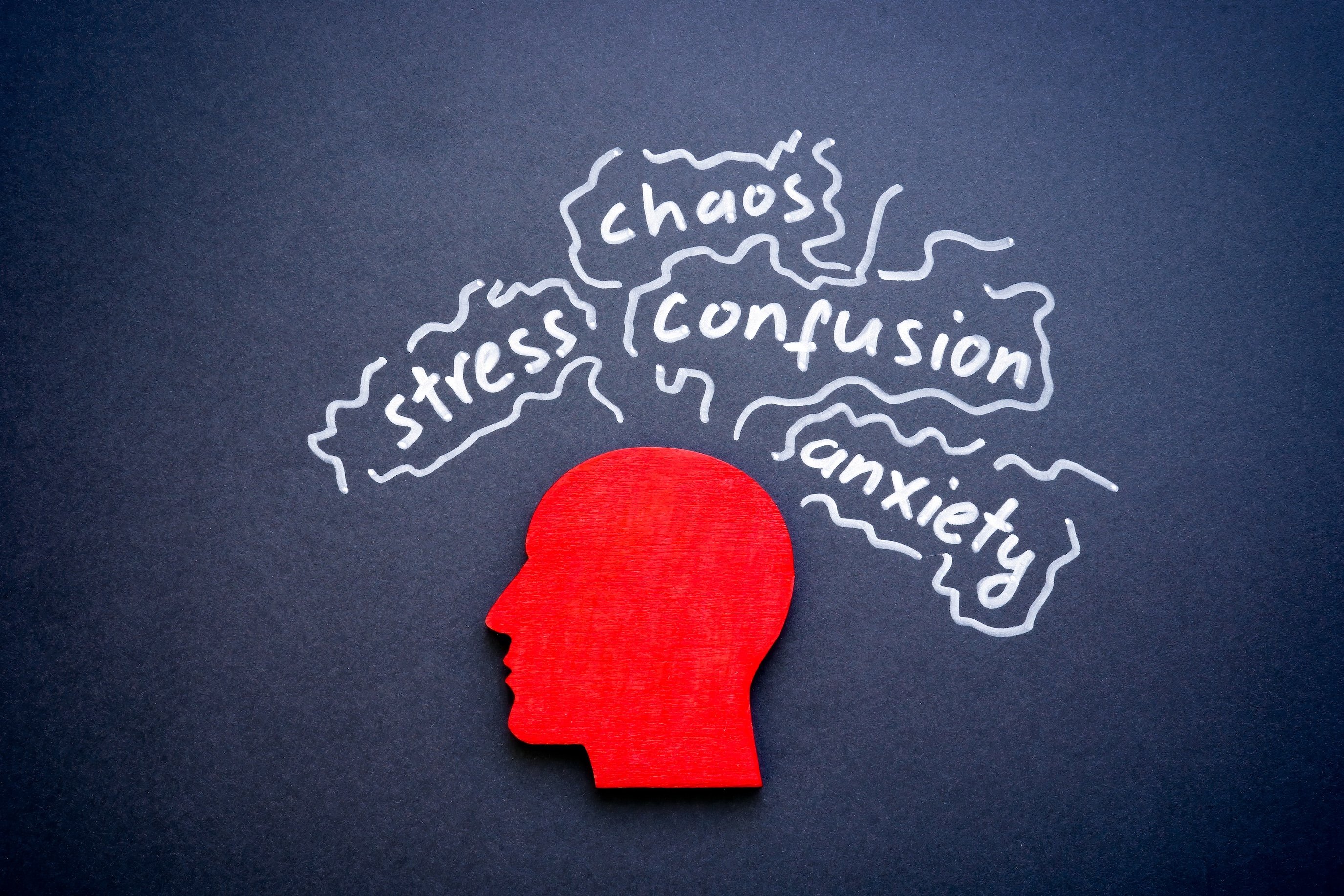
You take your medication. You go to therapy. On paper, you're doing everything right. But depression doesn't clock out when you leave your therapist's office. It follows you home. It's there when you wake up and can't get out of bed. It's there when a friend texts and you can't bring yourself to respond.
If you've ever thought, I'm already getting help — so why do I still feel like this? — you're not imagining things, and you're not failing. You're experiencing something that millions of people with depression deal with: the gap between clinical treatment and everyday life.
Therapy happens once a week for about an hour. Your medication works around the clock, but it doesn't teach you what to do when the weight hits. That leaves most of your week — roughly 167 hours — where you're managing depression largely on your own.
So what do you do with those hours?
One of the cruelest features of depression is how it takes away your desire to do the very things that would make you feel better. Researchers call this the withdrawal cycle: you feel low, so you cancel plans, skip the walk, stay under the covers. But withdrawing removes the experiences — connection, movement, even small accomplishments — that help stabilize your mood. Which makes you feel worse. Which makes you withdraw more.

This cycle is so well-documented that one of the most effective therapeutic strategies for depression is specifically designed to interrupt it. It's called behavioral activation, and the idea behind it is both simple and counterintuitive: you don't wait for motivation to show up before you act. You act first, and motivation catches up later.
A large meta-analysis of randomized controlled trials found that individual behavioral activation produced significant reductions in depressive symptoms — with effects comparable to cognitive behavioral therapy. It's particularly effective for moderate to severe depression because it doesn't ask you to out-think the depression. It asks you to out-move it, one small step at a time.
That's the key phrase: one small step. Not a complete overhaul of your routine. Not a full workout, a perfect morning, or an hour of journaling. Just one thing.
Let’s dive in together and discuss some ideas that could be that one thing for you!
These aren't replacements for therapy or medication. Think of them as things you can do in between — small actions that help you hold steady on the hard days.

1. Make the goal laughably small.
Can't do a morning routine? Just brush your teeth. Can't clean the house? Wash one mug. Experts explain that even a minimal daily structure gives your brain an anchor — and over time, that consistency eases symptoms more than you might expect.
2. Move for ten minutes.
You don't need a gym. A short walk — especially outside — has been shown in multiple studies to measurably reduce depressive symptoms. Nature helps. Sunlight helps. But even pacing around your block helps. Even if you are someone who may need to remain seated, discovering ways to move can be beneficial. You can check out different options for movement, and take one small step a day.
3. Send one text.
Depression lies. It tells you you're a burden, that nobody really wants to hear from you, that it's better to just cancel. But isolation is one of the strongest fuels for a depressive episode. Interpersonal therapy research suggests a reframe: don't aim for a full social outing. Just lower the bar. One "hey, thinking of you." That's enough to interrupt the withdrawal cycle. If you feel that you want to start elsewhere, a lot of services exist that can connect you with an empathetic human being until you feel ready to reach out to more personal relationships.
4. Write for five minutes.
A 2022 study found that short, frequent bouts of expressive writing — even just a few minutes every couple of days — reduced symptoms of depression, anxiety, and stress. You're not trying to solve anything. You're just getting what's in your head out of your head. This can look like journaling or even text type writing on the notepad of your phone. It doesn't always have to be a traditional pen to paper.
5. Talk to yourself like you'd talk to a friend.
Depression brings a brutal inner critic along for the ride. You should be further along. Other people handle this. What's wrong with you? Research shows this pattern of self-blame actively worsens your quality of life, while self-compassion supports recovery. If you wouldn't say it to someone you love, try not to say it to yourself. Practice a few minutes a day saying positive things to yourself, like “You CAN do this” and “I am proud that I even tried this today.”

One more thing worth knowing: research shows that people who use multiple coping strategies see better results than those who rely on just one. You don't need to do all five of these every day. But the combination of even two or three, practiced regularly, creates a kind of safety net for the days when depression hits hardest. Creating a wellness toolbox or a wellness plan is a way to make sure that we track the things that work for us. Working on a WRAP will give you the ability to have something formative for yourself that will support you in remembering what you can do when you start to feel this cycle.
Here's the honest truth about all of the above: when you're in the middle of a depressive episode, even reading a list like this can feel exhausting. You know what you should do. The problem isn't information. It's that depression strips away your ability to act on it — and makes you feel like you have to figure it all out by yourself.
This is exactly the gap that peer support is designed to fill.
A peer specialist is not a therapist or a clinician. They're someone who has been through their own mental health challenges — depression, anxiety, addiction, or all of the above — and has done the hard work of recovery. They use that lived experience to support you in the day-to-day reality of managing your mental health: the stuff that happens between appointments, outside the therapist's office, in your actual life.
Studies on peer support have found meaningful increases in self-efficacy and empowerment — two things that depression works overtime to erode. But perhaps more importantly, people who've received peer support consistently describe something that's hard to measure in a study: the experience of being truly understood by someone who gets it because they've lived it.
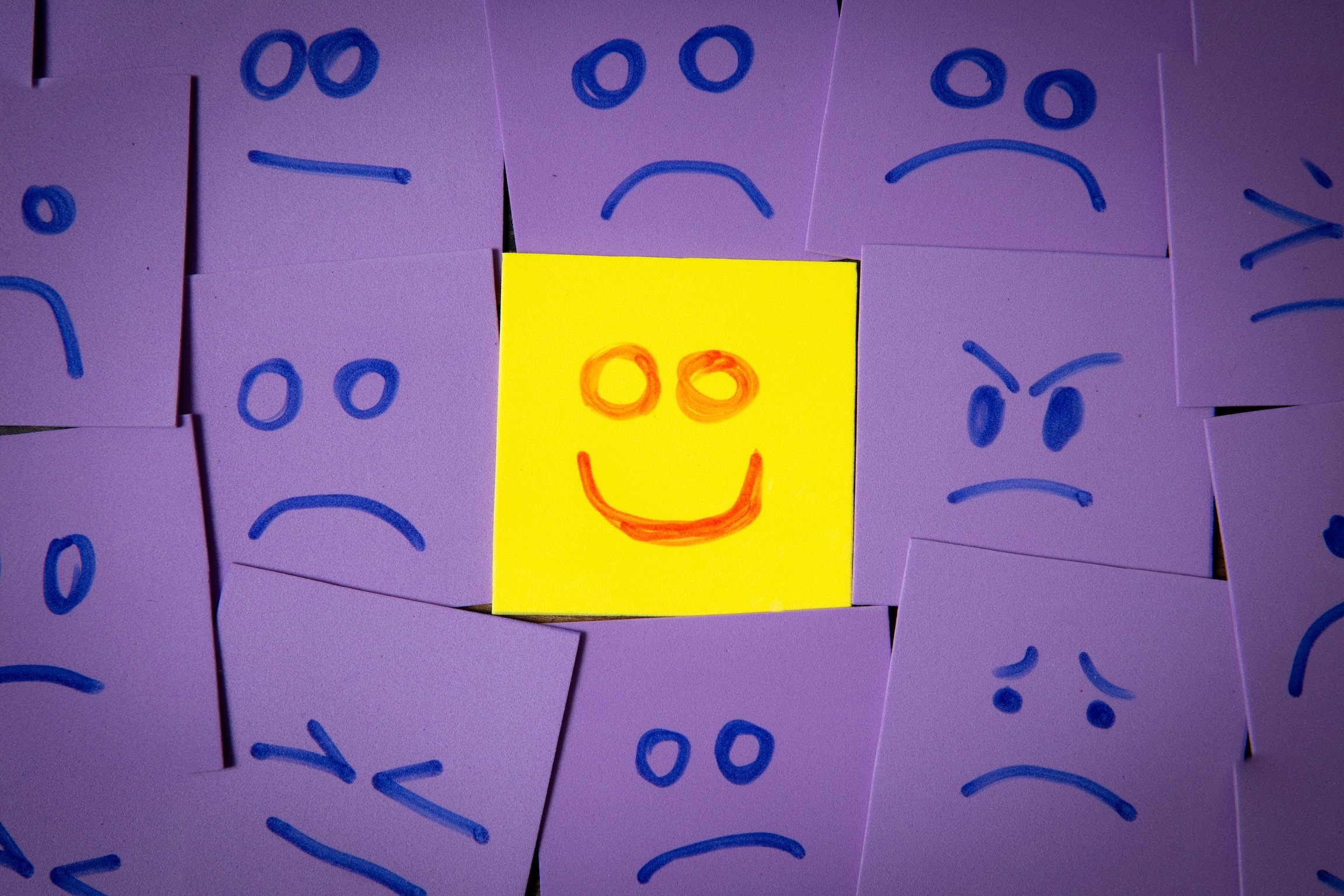
At Peerstar, our Certified Peer Specialists work with you in your home, in your community, or by phone — helping you set small goals, stick with strategies that work, and keep moving forward even on the days when depression tells you to stop. They don't replace your treatment team. They make sure what happens in treatment actually makes it into your life.
Because recovery isn't built in one hour a week. It's built in the 167 hours in between.
Peerstar's peer support services are available across 35 counties in Pennsylvania and are covered by Medicaid. To learn more or get started, call 215-372-8632 or visit peerstarllc.com.

.svg)
.svg)




.png)