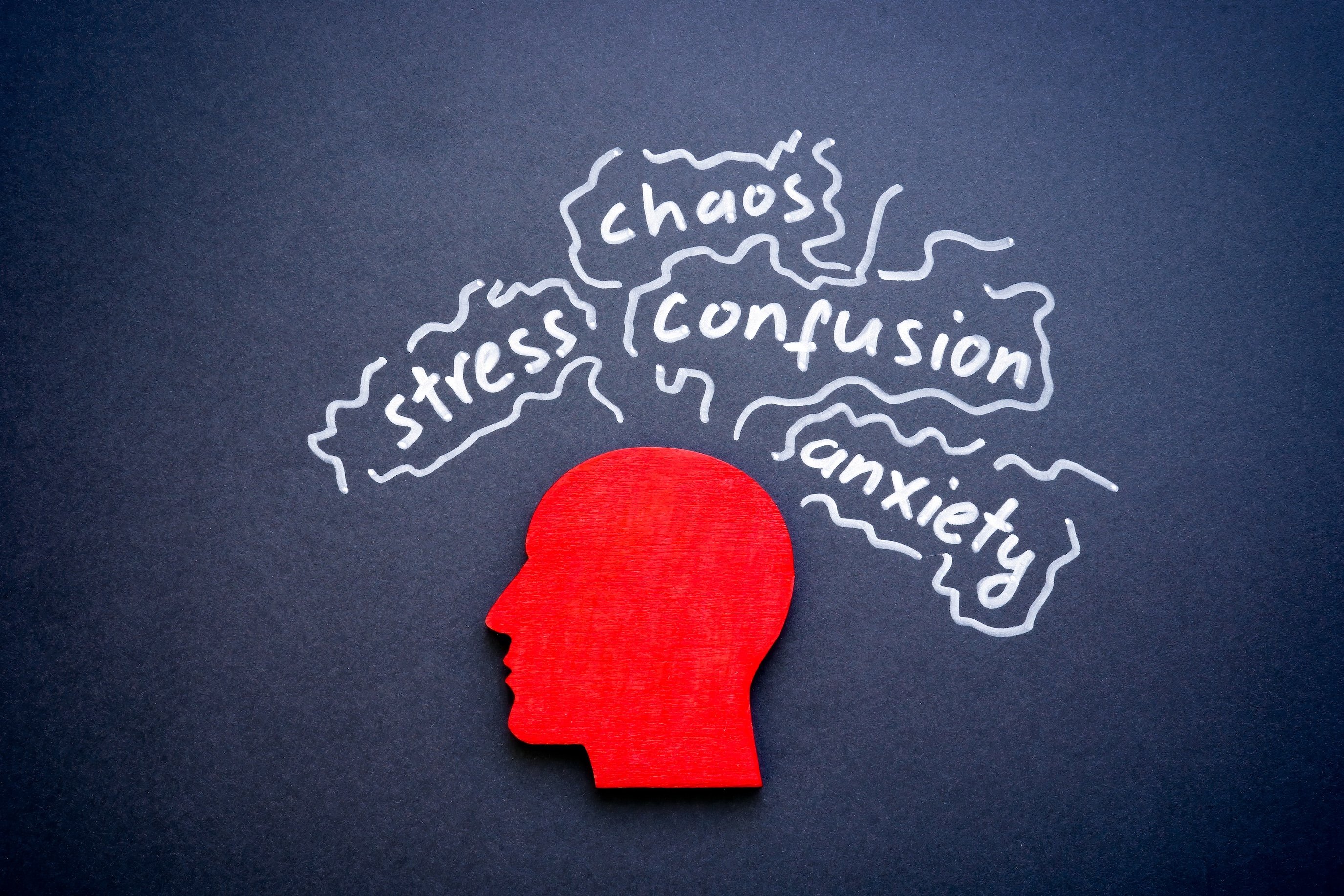
You were doing well — maybe even great. Therapy was helping, your coping tools were working, and for the first time in a while, anxiety wasn't running the show. Then, without warning, the familiar symptoms crept back in. The tight chest, the spiral of worry, the sleepless nights.
It can feel devastating. You might be asking yourself, Did I do something wrong? Was I ever actually feeling well?
The short answer: yes, you were. And no, you didn't do anything wrong. Anxiety setbacks happen without warning sometimes. Without notice. It is all part of the recovery process and even though it feels like a setback, it gives us an opportunity to learn.
If you're experiencing a return of symptoms after a period of improvement, you're far from alone. A study published in the Journal of Affective Disorders followed over 400 people who had recovered from an anxiety disorder and found that roughly 23.5% experienced a recurrence within just two years — with no significant difference between panic disorder, social anxiety, and generalized anxiety disorder.
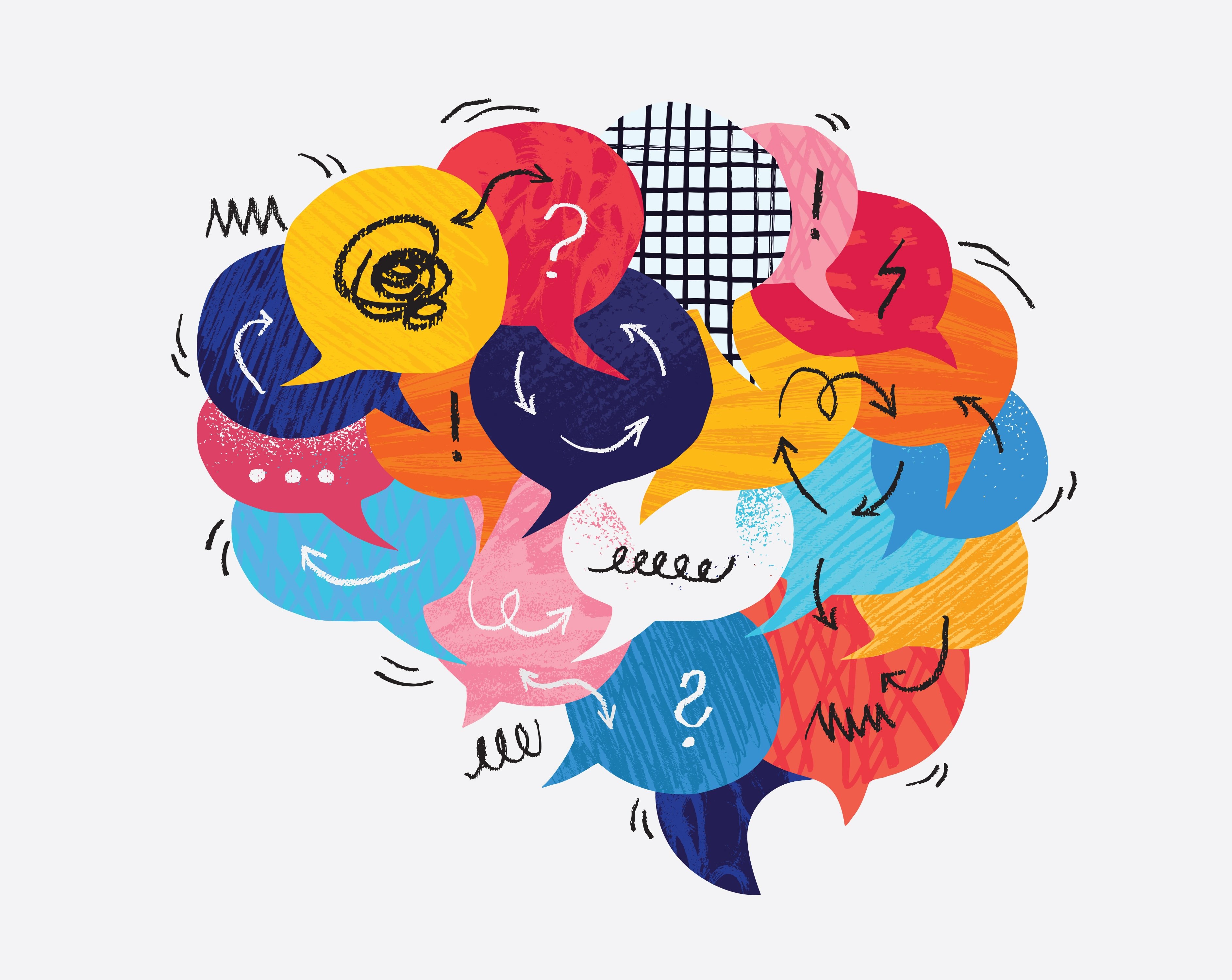
The numbers hold even for people actively receiving treatment. A meta-analysis reviewed by the American Academy of Family Physicians found that 36.4% of people with anxiety disorders relapsed after discontinuing antidepressant medication — and even among those who stayed on medication, 16.4% still experienced a return of symptoms.
In other words, setbacks aren't the exception. For many people living with anxiety, they're a predictable part of the journey.
Anxiety relapse rarely has a single cause. More often, it's a combination of factors — some obvious, some subtle.
Research from the Harvard/Brown Anxiety Research Program, a long-running study of adults with anxiety disorders, found that an increased number of stressful life events — such as health problems, the death of a loved one, or relationship difficulties — was significantly associated with a higher probability of relapse in people with generalized anxiety disorder.
But the trigger doesn't always look like a crisis. Common contributors include disrupted sleep, a break in your exercise routine, changes in medication, hormonal shifts, or simply drifting away from therapy because things were going well. Ironically, feeling better can sometimes lead to dropping the habits that made you feel better in the first place.
One factor that researchers have flagged as especially important: residual symptoms. A systematic review of CBT outcomes found that lingering, low-level symptoms after treatment — even mild ones — were among the strongest predictors of future relapse. This suggests that "good enough" may not be enough when it comes to long-term anxiety management, and that ongoing support matters even after the worst has passed.
It's natural to feel like a relapse means you're back at square one. But that's not how recovery works.
Before your first episode, you had no framework for understanding what was happening to you. Now, you have insight, skills, and experience. You know the early warning signs. You know what strategies have helped before. The fact that you're reading this article — looking for answers rather than suffering in silence — is itself evidence of how far you've come.
Recovery from anxiety isn't about reaching a finish line where you never feel anxious again. Rather, it means continuing to use and adjust the coping tools that you have been learning. Figuring out how we can continue to acknowledge and discover new ways to identify anxiety before we relapse.
Research consistently points to a few strategies that support recovery after a relapse:
Reconnect with your treatment team.
If you've stepped back from therapy or haven't checked in with your prescriber lately, now is the time. Be honest about what's changed — adjustments to your plan can make a meaningful difference.
Return to the basics.
Sleep, movement, nutrition, and routine may sound simple, but they directly affect how your nervous system functions. When these slip, anxiety often fills the gap.
Resist the pull to isolate.
Anxiety frequently drives people to withdraw, but research shows this only deepens the cycle. Studies have consistently found that social support is one of the strongest protective factors against anxiety recurrence — and that loneliness and isolation can worsen symptoms significantly.

Consider peer support.
Sometimes the most helpful voice isn't the one with clinical training — it's the one that says, "I've been exactly where you are, and here's what helped me get through it." Peer support, in which trained individuals with lived experience of mental health challenges provide structured support, has been shown in multiple studies to reduce anxiety symptoms and improve recovery outcomes.
At Peerstar, our Certified Peer Specialists know what anxiety setbacks feel like — not from a textbook, but from their own lives. They're not therapists or counselors. They're people who've walked a similar path and are trained to help you navigate the hard stretches: the 2 a.m. spirals, the days when leaving the house feels impossible, and the moments when you need someone who genuinely understands.
Whether you meet in your home, in your community, or by phone, your peer specialist is there to help you find your footing again — at your pace, on your terms.
If your anxiety has come back, you don't have to figure this out alone. Call Peerstar at 215-372-8632 or visit peerstarllc.com to connect with a peer specialist. Services are covered by Medicaid.

.svg)
.svg)



.png)