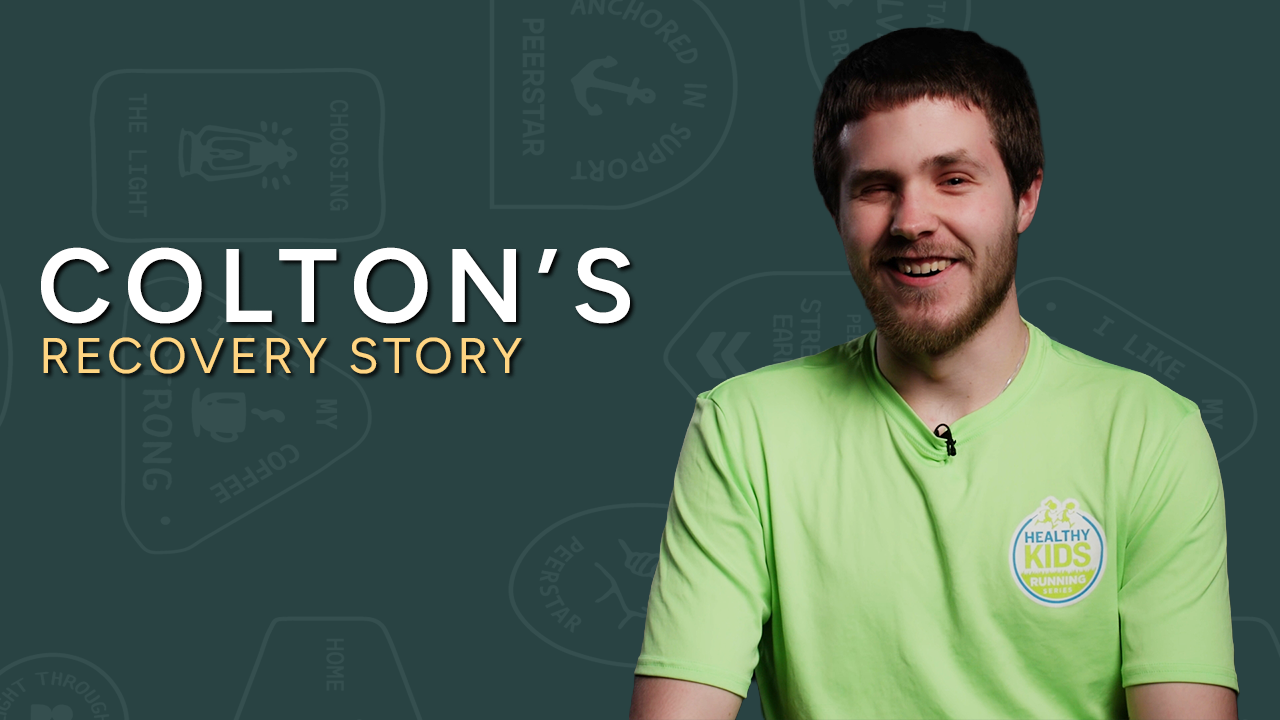
Colton appeared to be doing well from the outside. He was a strong student, social, and involved. But underneath the surface, insecurity had been building for years. Looking back, much of it stemmed from being bullied in school. Those experiences slowly shaped how he saw himself—never quite feeling good enough, never fully secure. That’s when symptoms of depression first began to take hold. Even while keeping up with classes and friendships, he started withdrawing, isolating himself from others, and pulling away emotionally, even from his parents.
Things intensified during his freshman year at college. Away from home and unsure of his direction in life, he struggled deeply with purpose and identity. Though his faith had always been important to him, he found himself questioning where he fit and what his future held. During that time, he experienced several weeks of suicidal thoughts while feeling disconnected from the support systems he had always known. A campus minister reached out with encouragement, but it wasn’t until a quiet moment driving alone that something shifted. He realized he could not keep carrying everything by himself. That turning point led him to begin counseling, seek academic guidance, reconnect with community, and open up to his parents despite fearing he would be a burden.
Therapy challenged his previous belief that he should handle everything on his own. Instead, he discovered that asking for help is not weakness—it’s strength. Through counseling, rebuilding structure in his daily life, and deepening his faith, he began to feel freer and more secure in who he is. Recovery helped him confront his harsh inner critic and learn to extend the same grace to himself that he so easily gives to others. Today, his message to anyone who feels hopeless is simple: there is always light ahead. You are not a burden, and you do not have to face your struggles alone.
.svg)

.svg)
.svg)



.png)
.svg)